

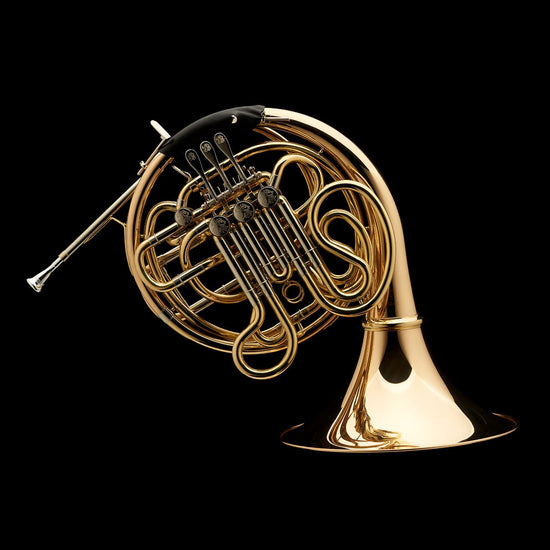
Corno doppio in Sib/FA con campana rimovibile – FH611
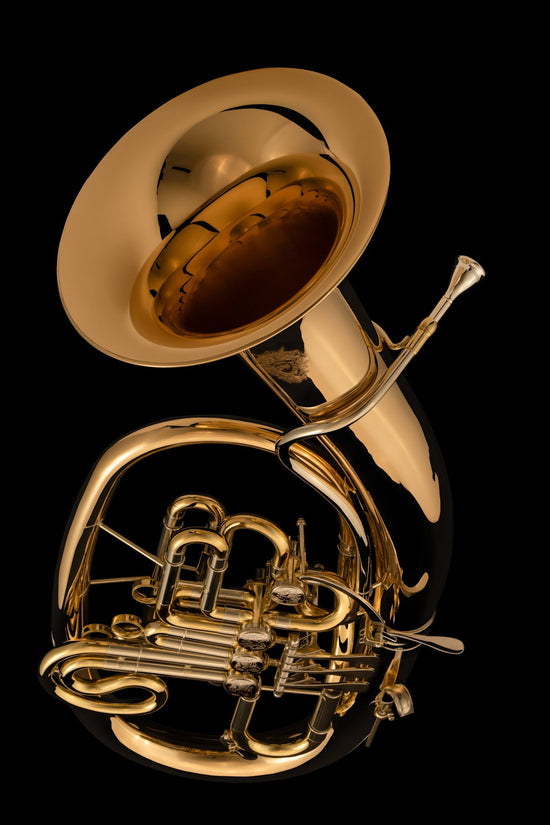
Tuba Wagner in Sib/Fa – FH250

Corno naturale – FH790
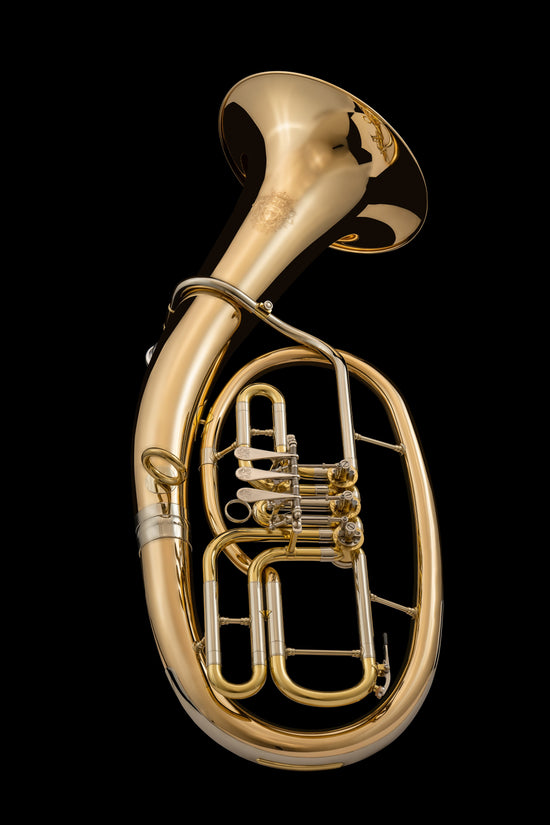
Corno tenore tedesco (Baritono in Sib) – BR130
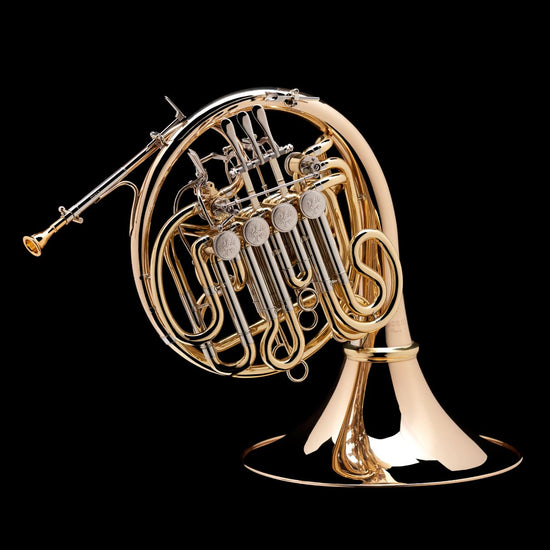
Corno francese triplo – FH613P
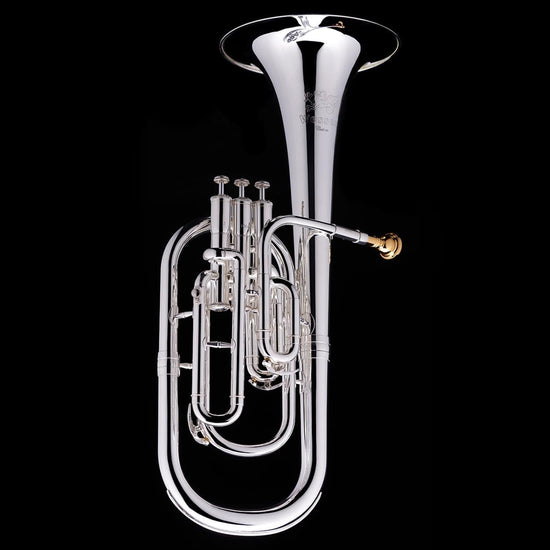
Corno tenore/alto in Mib – AH50
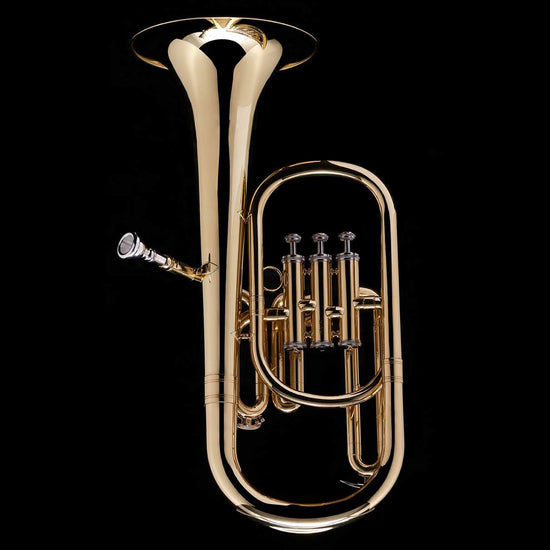
Corno tenore/alto in Mib (studente) – AH13
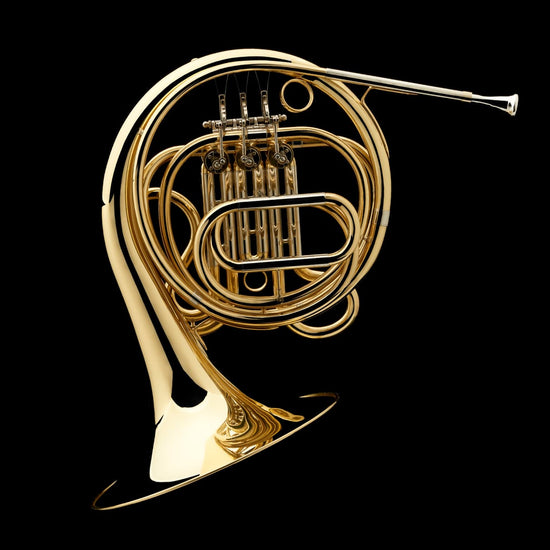
Corno francese in Fa (studente) – FH20
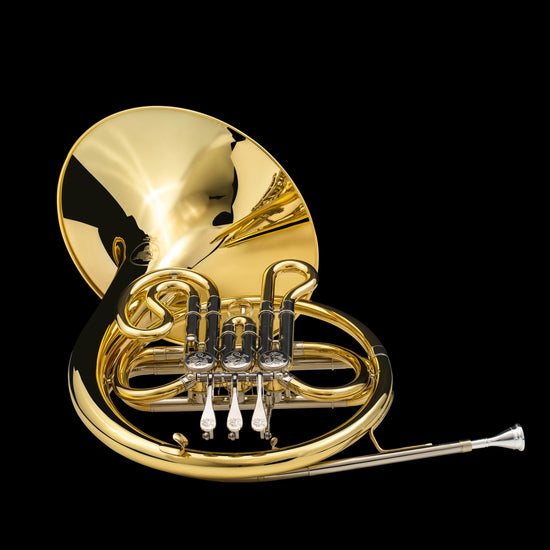
Corno francese in Sib (studente) – FH25

Mellofono - MM51

Corno Francese Vento Bb/A

Corno Francese Vento F

Corno Francese Doppio Vento Bb/F per Studenti

Corno Francese Doppio Vento Bb/F Classico
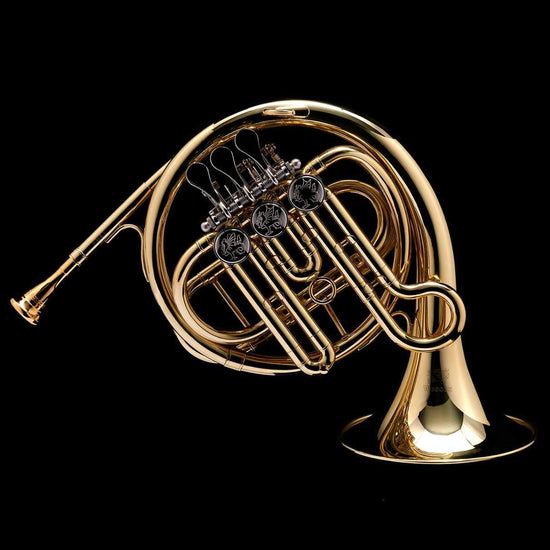
Corno francese in Fa alto – FH41
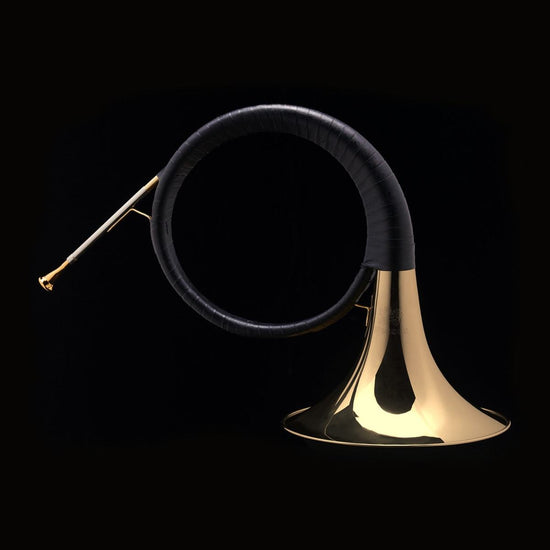
Corno da caccia Parforce in Sib – FH80
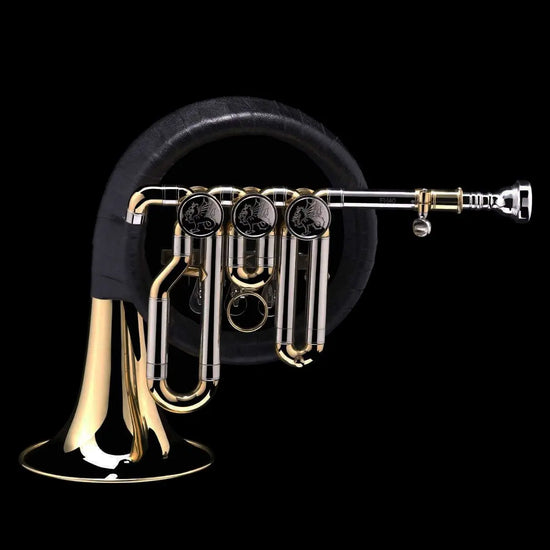
Posthorn rotativo – FH40
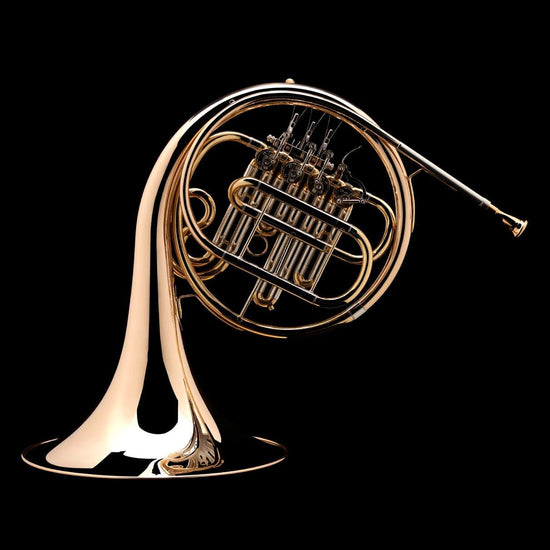
Corno francese singolo in Sib – FH33, 4 valvole con valvola di arresto
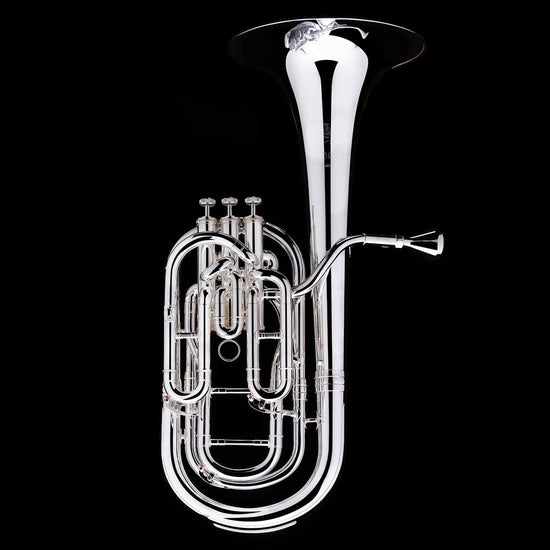
Baritono compensato in Sib (3 valvole) – BR140
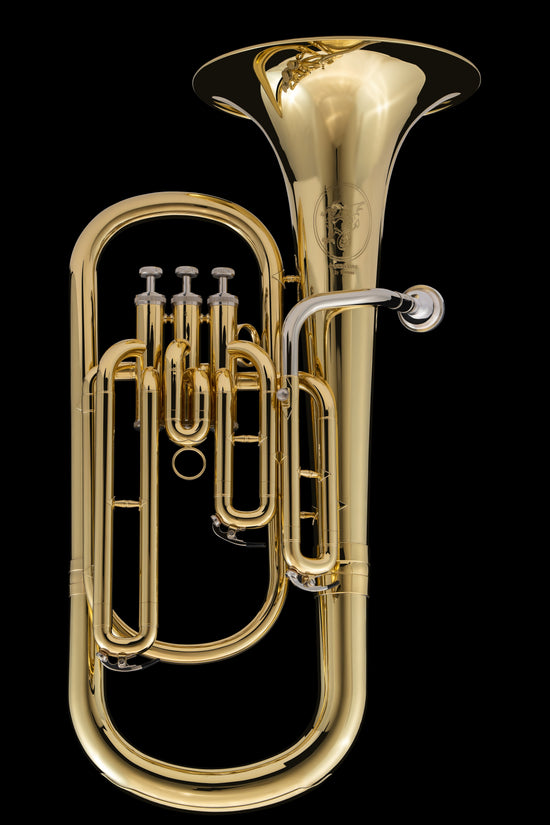
Baritono in Sib (studente) – BR12

Sassofono francese in Sib - BR20
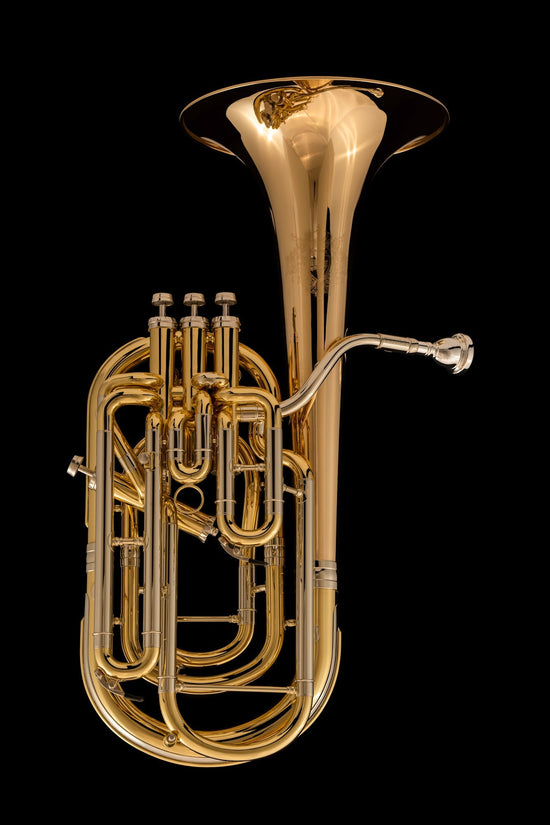
Baritono compensato britannico in Sib (4 valvole) - BR144P
An alto horn looks similar to a baritone or a euphonium but is smaller in size and presented in the key of Eb.
The french horn is considered to have the widest tonal range of all the brass instruments; blending well with many other musical instruments, the french horn has a rich timbre is somewhere between brass and woodwind.
French horns can be traced back to hunting horns of 16th century France and Germany. Consequently, to this day, the french horn has strong hunting and military connections and is therefore often used in orchestral and film music.

