

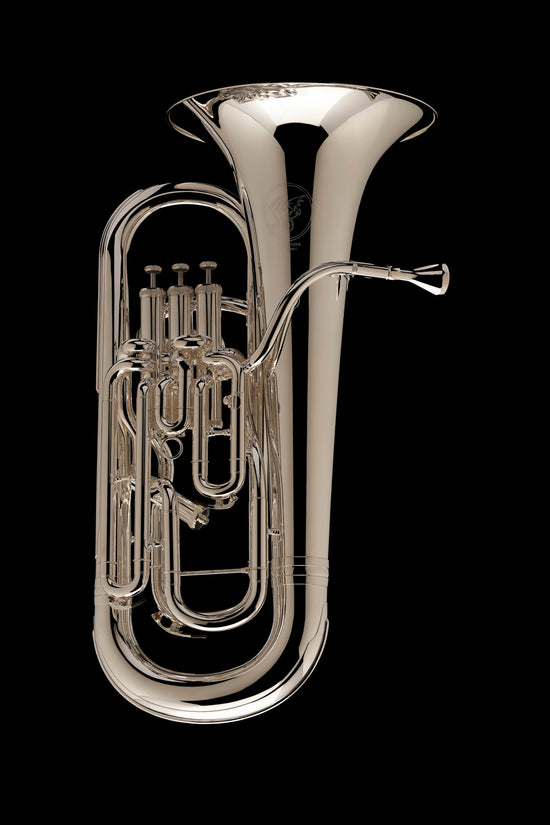
Bb Euphonium compensé ‘Dolce’ - EP100
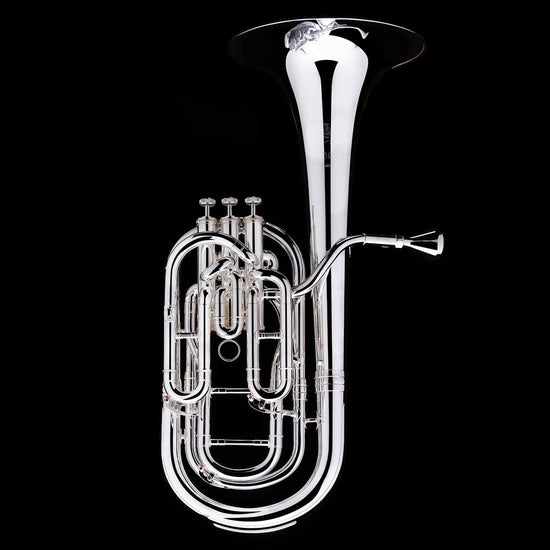
Bb Baryton compensé (3 soupapes) – BR140
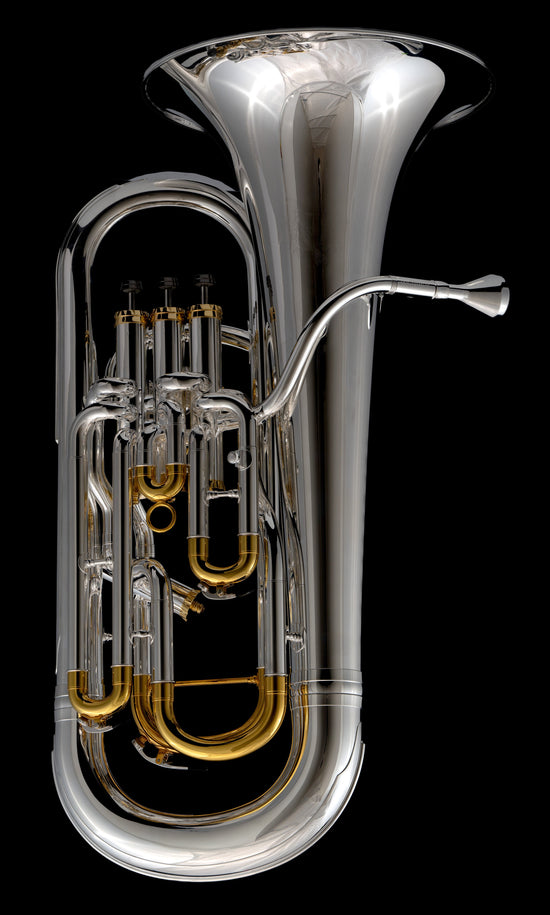
Euphonium compensé en Sib « Fortissimo » - EP110P
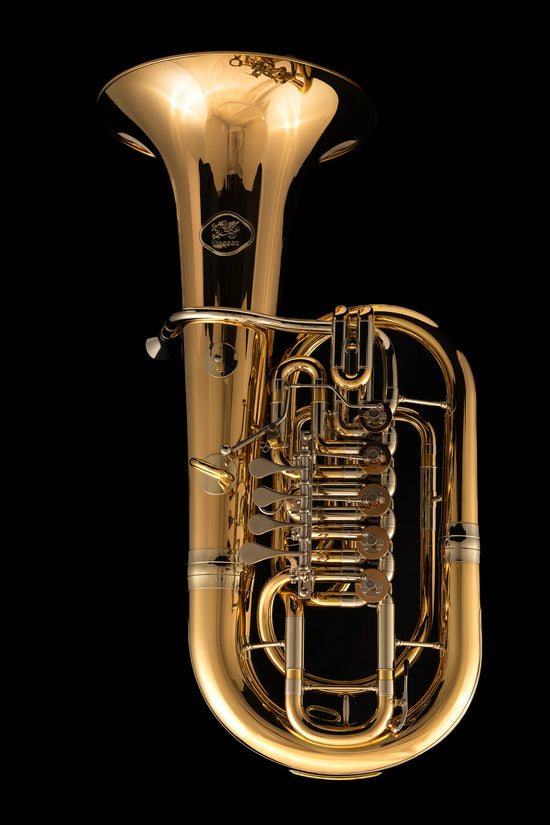
Tuba ténor rotatif Bb (baryton/euphonium) - ER700
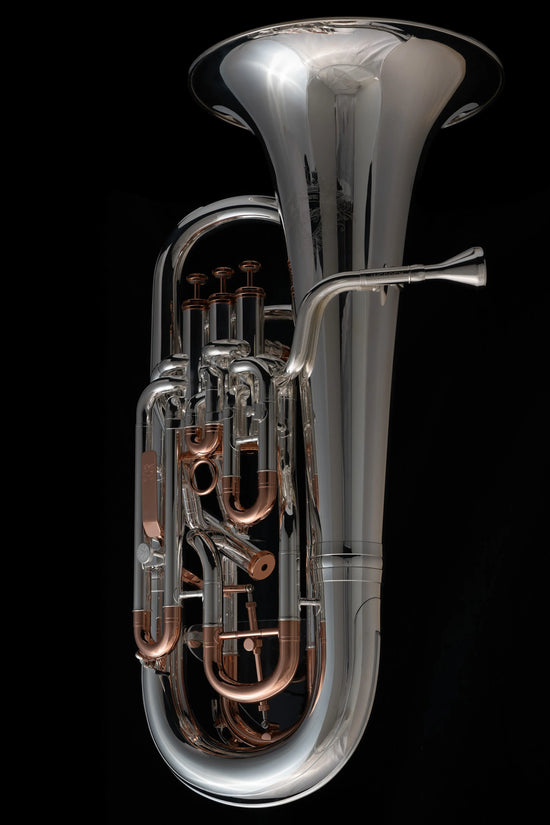
Euphonium Bb compensé fait main ‘Sinfonico-Fortissimo’ - EP601 HP
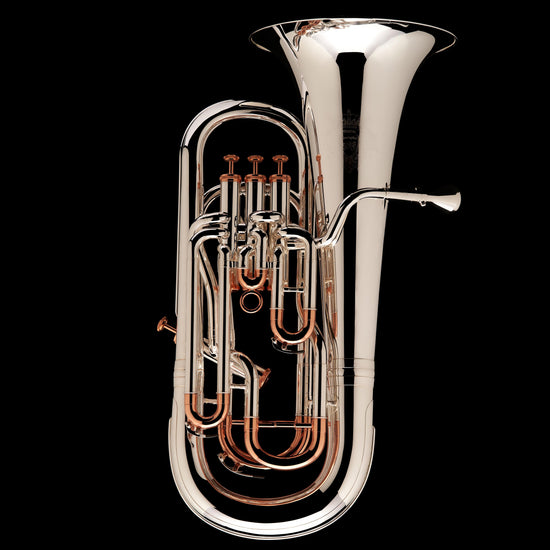
Euphonium Bb compensé fait main ‘Sinfonico’ - EP600 HP
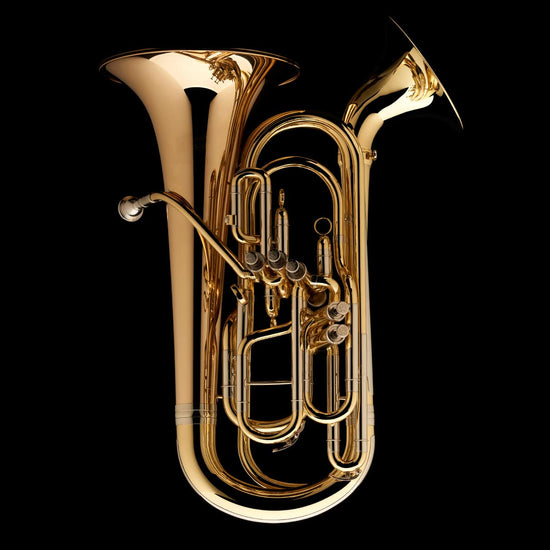
Euphonium Bb Duplex - EP105 P
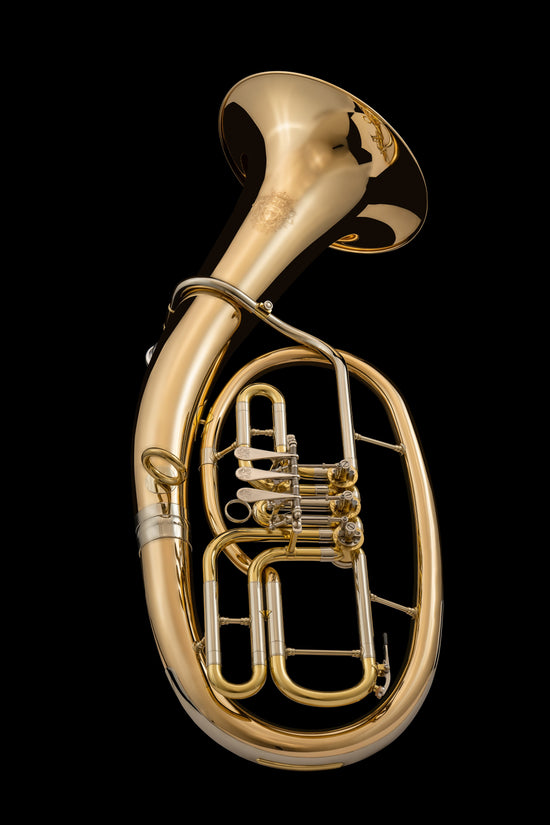
Trompette Ténor Allemande (Bariton Bb) – BR130
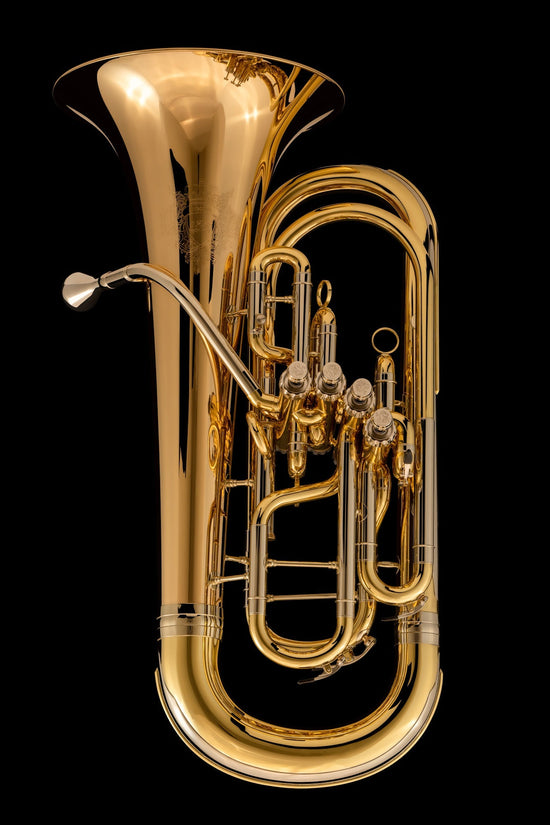
Euphonium compensé à soupape frontale ‘Festivo’ – EP104P

Saxhorn Bb français - BR20
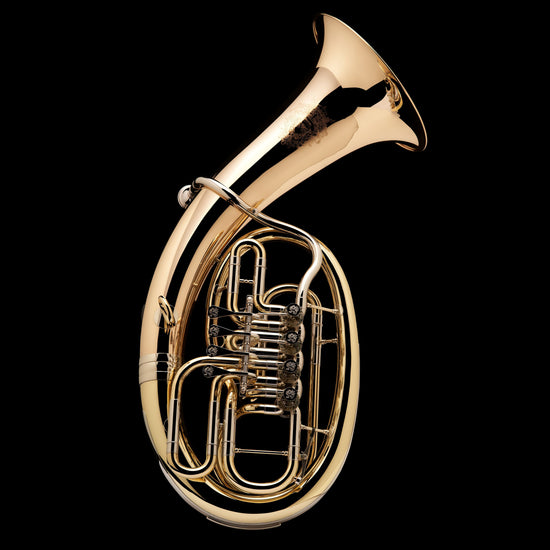
Bariton Kaiser – ER120

Euphonium compensé Vento

Jazz Euphonium EP199 - Saxordino

Euphonium compensé en Sib « Fortissimo » avec tirette - EP111P
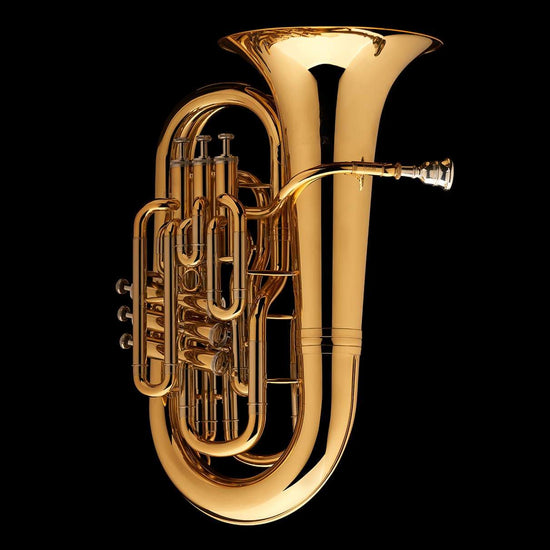
Tuba C Français - TC236 P
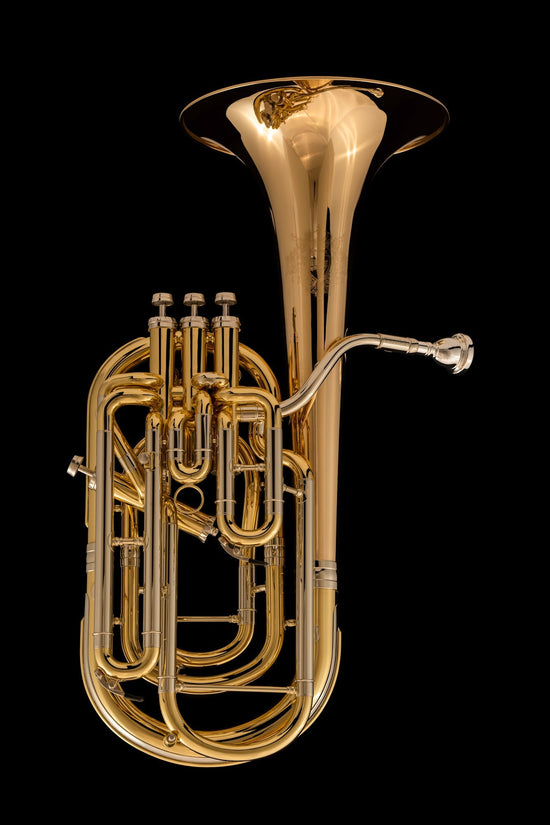
Bariton compensé britannique Bb (4 soupapes) - BR144P
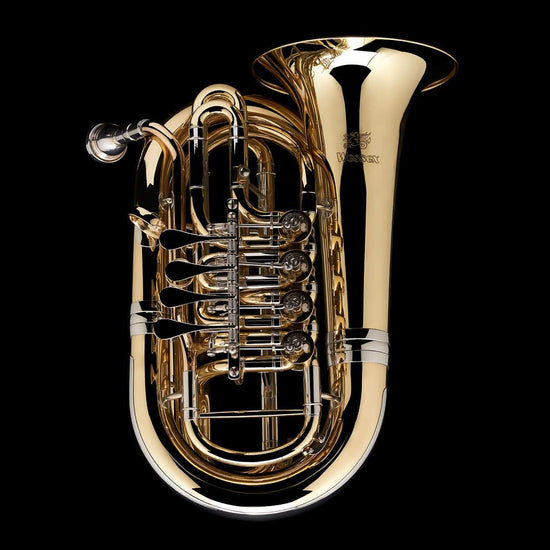
Euphonium de voyage (Tornister) ‘Maly’ – ER154
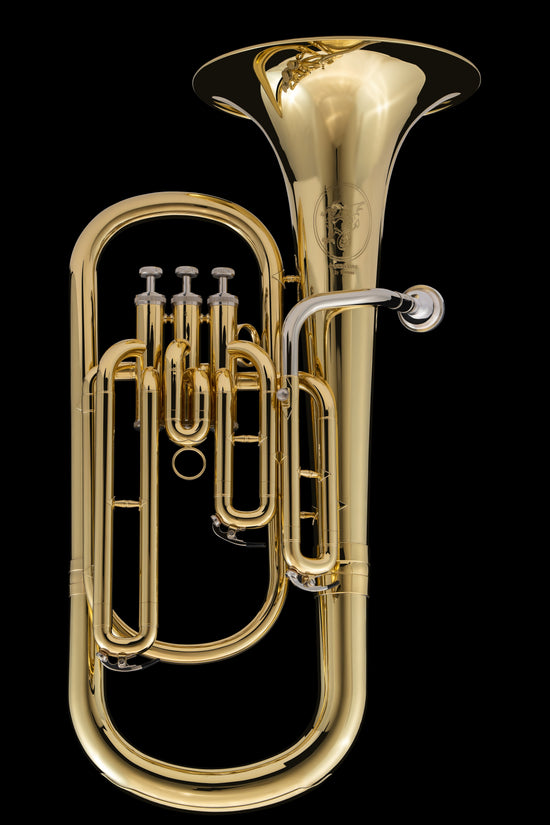
Baryton Bb (étudiant) – BR12

Ensemble de bouchons et boutons de valve en or pour euphonium Dolce EP100-S
Although euphoniums and baritones are remarkably similar, there are a number of subtle differences between these two brass instruments; principally the bore size where euphoniums are considered large bore musical instruments & baritones small bore instruments. What’s more, euphoniums have conical bells and baritones cylindrical bells; meaning baritones are considered to possess a brighter tone than their larger bore cousins.
Our euphoniums are presented in the key of Bb; providing the same range as the bass trombone, from Bb 1 below the bass clef to Bb 4 above the bass clef. It’s also important to note that the euphonium is a non-transposing brass instrument.
Baritone instruments are considered part of the low brass family; alongside trombones, euphoniums and tubas.

